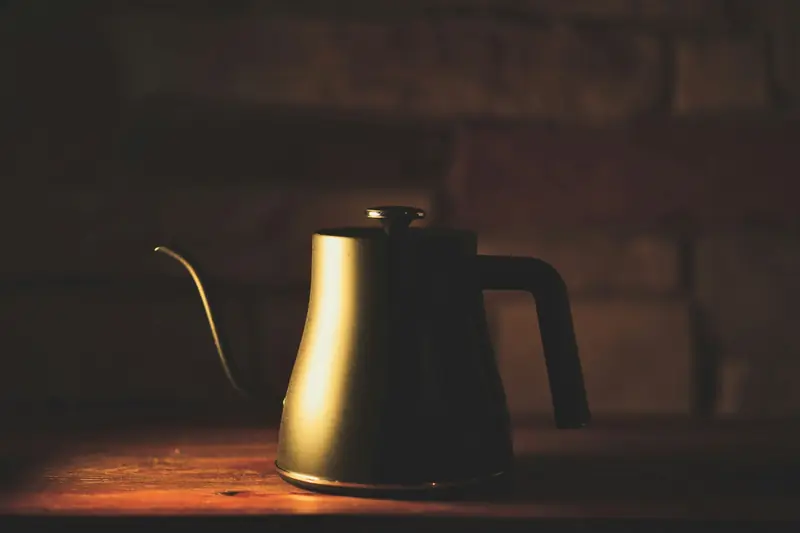
Best Gooseneck Kettles for Pour-Over
A gooseneck kettle has a narrow curved spout that lets you pour slowly and exactly. The decisions that matter are whether you want electric temperature control or a stovetop kettle, how well the spout controls flow and what touches the water. This page is for pour-over brewers and anyone who wants a steadier pour.
Jump to section
What we look for
Electric or stovetop
electric kettles control temperature for you, and stovetop kettles are simple.
Temperature control and hold
your brewing target is 93 ± 3°C, so a kettle that can hit it helps.
Spout and flow control
a controlled pour is the whole reason to buy a gooseneck.
Capacity and materials
the size sets how many cups you can pour, and the materials touch your water.
Auto shut-off and upkeep
shut-off protects the kettle, and scale needs cleaning.
- Sources: manufacturer product pages, manuals and warranty terms, plus the NCA pour-over guide for the water temperature.
How to choose the right gooseneck kettle
A kettle only helps if the rest of the setup is right. Read our pour-over buying guide and the pour-over vs drip comparison first, then use our coffee-to-water ratio guide to plan the pour.
Electric or stovetop
An electric kettle with variable temperature hits the target without a thermometer. A stovetop model has no cord and no electronics. If you cook on induction, check the type and induction columns before buying a stovetop kettle. Electric models also differ in how fast they heat and how long they hold a set temperature, so read those columns together.
Temperature control and hold
NCA gives the pour-over water temperature as 93 ± 3°C, citing the SCA standard (NCA). That is about 194 to 205°F. Water boils at 100°C at sea level, above that range, so the kettle needs a setting or a short rest. Check the temperature range column, and the hold time if you brew more than one cup. A hold setting keeps the water at your target while you brew a second cup, so it is worth looking for if you pour for two.
Spout and flow control
Look at the spout shape, the handle balance and how the kettle feels when it is half full. Our guide to pour-over makers explains why a steady pour matters, and our coffee-to-water ratio guide shows how much water to pour. A comfortable handle and a spout that does not drip let you pour in slow circles, which is what pour-over technique needs.
Capacity and materials
Capacity is listed in liters. A small kettle is quicker and lighter, a bigger one saves refills. Check the material column for what touches the water, such as stainless steel, glass or plastic parts, and read the maker's description. A kettle with a wide opening is easier to fill and to clean.
Auto shut-off and upkeep
Auto shut-off turns off the kettle when it boils dry or reaches the set point. Heating hard water forms scale (USGS), so plan to descale. Our descaling guide explains how to check your water and how often to descale.
Tips for using your gooseneck kettle
- Set the kettle to 93 ± 3°C, or let boiled water rest briefly (NCA).
- Descale on schedule; see our descaling guide.
- You can also use it for tea; set the temperature the tea's instructions give.
- Check the auto shut-off column on electric models, and follow your manual for how to use the kettle.
- Read the spout and handle description before you buy, because the way a kettle pours matters more here than in a regular kettle.
- NCA lists pour-over water at 93 ± 3°C, which is about 194 to 205°F (NCA). A kettle with temperature control can hit that range without a thermometer.
- Water boils at 100°C at sea level, above that range, so a plain kettle needs a short rest after boiling. Our pour-over guide lists drippers that pair well with a gooseneck spout.
FAQ
What water temperature is right for pour-over?
93 ± 3°C, which is the SCA standard as reported by NCA (NCA). That works out to about 194 to 205°F.
Is boiling water too hot for pour-over?
It is a little too hot. Water boils at 100°C at sea level, which is above the 93 ± 3°C range (NCA). Let boiled water rest for a short while, or set an electric kettle to a lower temperature.
Should I buy an electric or a stovetop kettle?
An electric kettle with variable temperature reaches your target without a thermometer. A stovetop kettle is simpler and has no cord, but you need to check the temperature yourself.
Can I use a gooseneck kettle for tea?
Yes. Set the temperature that the tea's own instructions give.
Related
-
Buying guide
Best Pour-Over Coffee Makers and Drippers
Dripper shape, material, filters and capacity, side by side.
-
Buying guide
Best Drip Coffee Makers
Brew temperature, carafe, capacity and SCA certification, compared.
-
-
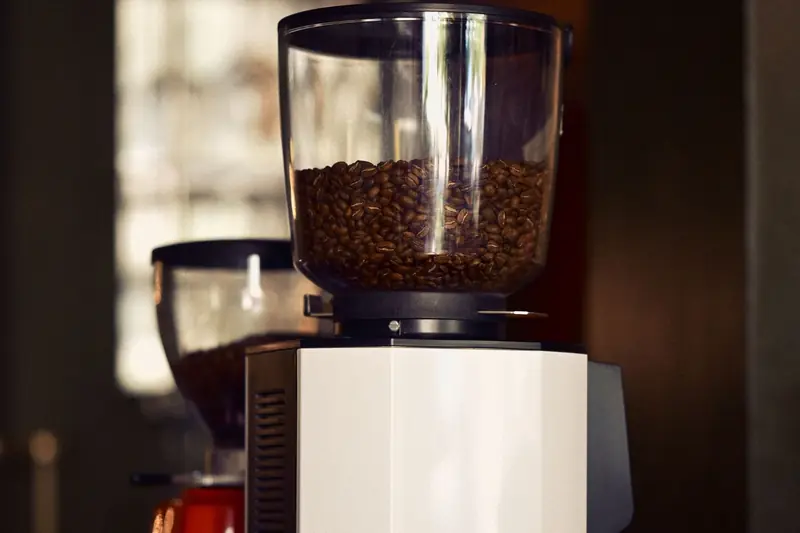
Buying guide
Best Burr Coffee Grinders for Home
Burr type, grind range, adjustment and retention, side by side.
-
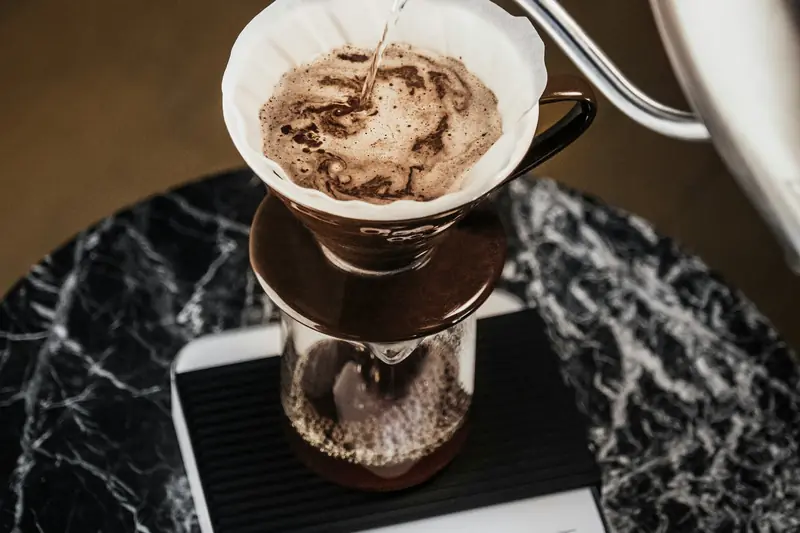
Guide
Coffee to Water Ratio: A Simple Chart for Every Brew Method
Ratio, grind, time and temperature for five brew methods, in one chart.
-
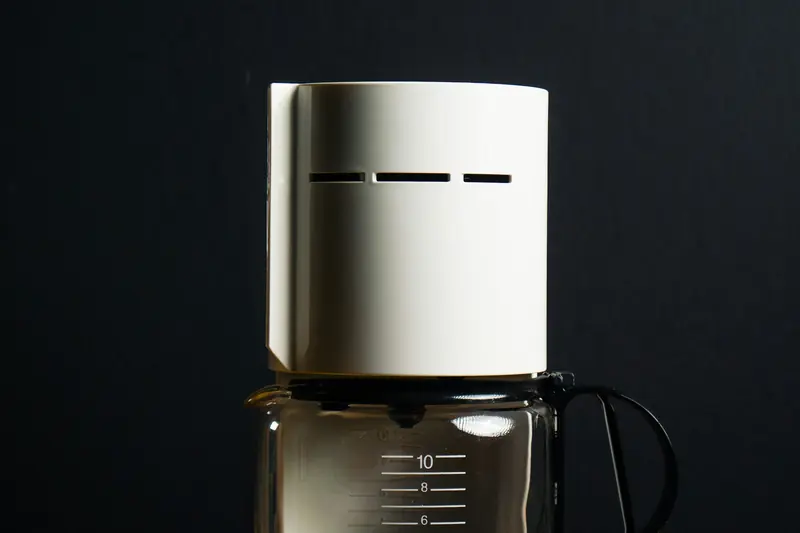
Guide
How to Descale a Coffee Maker (Drip, Espresso and Pod)
Why scale builds up, how often to descale and what to check in your manual.
Get the Brew Ratio Cheat Sheet
A printable one-page sheet with the ratio, grind, time and temperature for drip, pour-over, French press, cold brew and espresso. Free, and sized for the cabinet door.